Virtual Casino Platforms and Their Dual Offerings of Blackjack and Slots
Written by Otto Lehmann · Aug 24, 2026

Virtual Casino Platforms and Their Dual Offerings of Blackjack and Slots
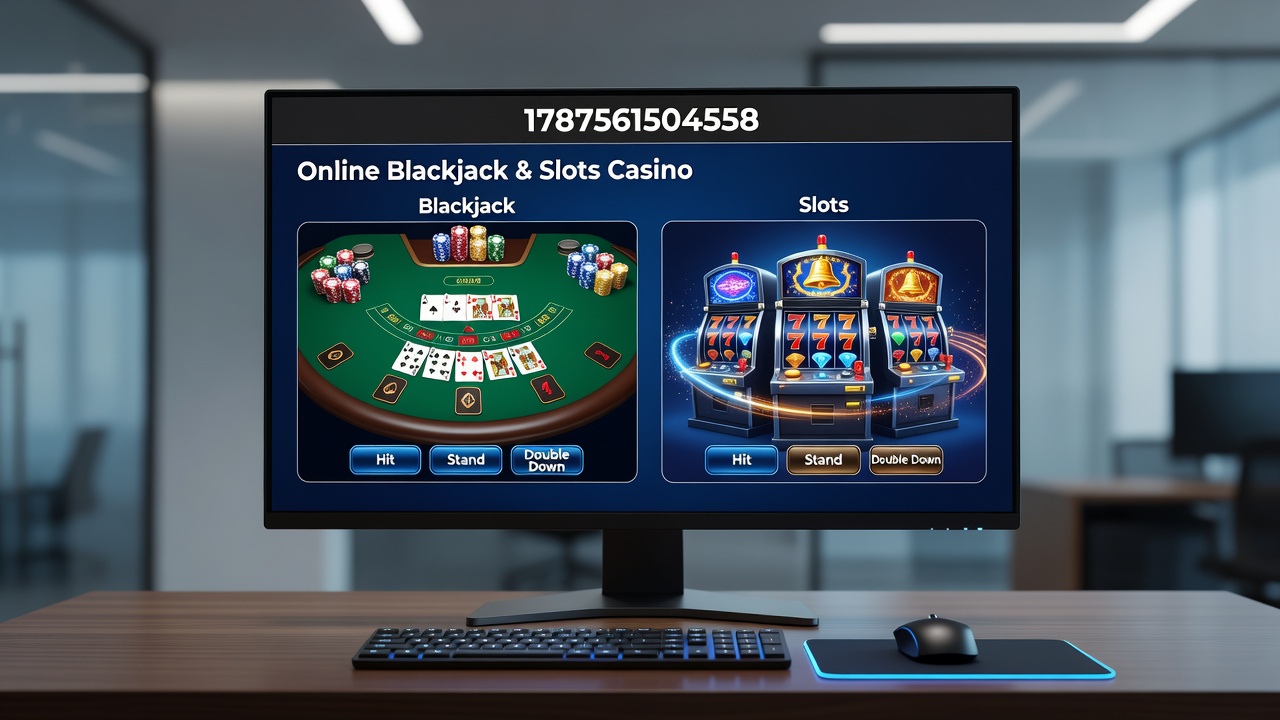
Online platforms that combine blackjack and slots operate through licensed software providers who deliver both table games and reel-based titles within single digital environments, and these systems rely on random number generators certified by independent testing laboratories such as those recognized by state gaming authorities. Players access these offerings via desktop or mobile browsers after completing registration and identity verification processes required under jurisdictional rules, while game libraries typically feature multiple blackjack variants including classic, multi-hand, and progressive side-bet options alongside thousands of slot titles categorized by volatility, theme, and bonus mechanics.
Core Mechanics of Blackjack and Slots on Digital Platforms
Blackjack sessions on these sites use either random number generator versions that simulate card draws or live dealer streams transmitted from dedicated studios, and the live format incorporates real-time video feeds with physical cards shuffled by professional dealers who follow standardized procedures established by the operating jurisdiction. Slot games function through algorithmic reel spins that determine symbol combinations according to pre-set paytables, and many titles incorporate progressive jackpots linked across multiple operators to accumulate shared prize pools that grow until awarded to qualifying players. Data from industry reports indicate that blackjack accounts for a consistent share of table game revenue while slots generate the majority of overall online casino income in regulated markets.
Regulatory Frameworks Across Regions
Operators must comply with licensing requirements issued by bodies such as the New Jersey Division of Gaming Enforcement and the Malta Gaming Authority, each of which mandates regular audits of game fairness, player fund segregation, and responsible gaming tools including deposit limits and self-exclusion programs. In the United States, individual states maintain separate regulatory structures that authorize online blackjack and slots only within their borders, whereas European jurisdictions apply cross-border standards that require operators to display license information prominently on their sites. Australian research institutions have published analyses of player behavior patterns on licensed platforms, and these studies document session lengths and expenditure distributions without attributing causation to specific game types.
August 2026 is expected to bring incremental updates to several state-level frameworks that already permit online gaming, and these adjustments primarily address technical standards for live dealer certification and cross-platform jackpot pooling rather than introducing entirely new game categories. Observers note that operators respond to such changes by adjusting backend systems to maintain compliance while preserving the core functionality of blackjack and slots offerings.
Technology and User Interface Considerations
Modern platforms integrate blackjack and slots through unified account wallets that allow seamless movement between game types without repeated logins or separate balance transfers, and this architecture relies on secure application programming interfaces that encrypt transaction data and session information. Software developers employ HTML5 frameworks to ensure consistent performance across devices, while additional features such as autoplay functions for slots and strategy prompts for blackjack remain subject to regulatory approval in each market. Payment processing incorporates methods ranging from traditional bank transfers to digital wallets, and transaction times vary according to the selected method and the operator's verification protocols.
Industry Data and Participation Trends
Figures released by gaming associations show steady growth in the number of active accounts on platforms offering both blackjack and slots, with participation rates influenced by factors including promotional structures and the availability of live dealer options. Researchers at university-affiliated centers have examined correlations between game selection and session duration, finding that players often alternate between table games and slots within single visits yet maintain distinct preferences based on prior experience. These patterns emerge consistently across datasets collected from regulated operators in multiple jurisdictions.
Future Developments in Combined Gaming Environments
Continued advancements in streaming technology support higher-resolution live blackjack broadcasts and more intricate slot animations, while backend systems evolve to handle increased volumes of simultaneous users without latency. Regulatory bodies continue to refine testing criteria for new game features, and industry organizations coordinate on standards that promote interoperability between different software providers. These developments occur within established legal boundaries that prioritize player protection and game integrity across all participating regions.
Conclusion
Online platforms that host both blackjack and slots represent a mature segment of the digital gaming sector governed by detailed licensing regimes and technical standards, and available data from regulatory and academic sources document consistent operational practices and participation metrics. As systems adapt to scheduled regulatory refinements in 2026 and beyond, the fundamental structure of these combined offerings remains anchored in certified random processes, verified payment flows, and jurisdiction-specific compliance requirements.