Unified RNG Frameworks Linking Slot Sequences and Blackjack Penetration on Mobile Devices
Written by Gisela Günther · Jul 25, 2026
Unified RNG Frameworks Linking Slot Sequences and Blackjack Penetration on Mobile Devices
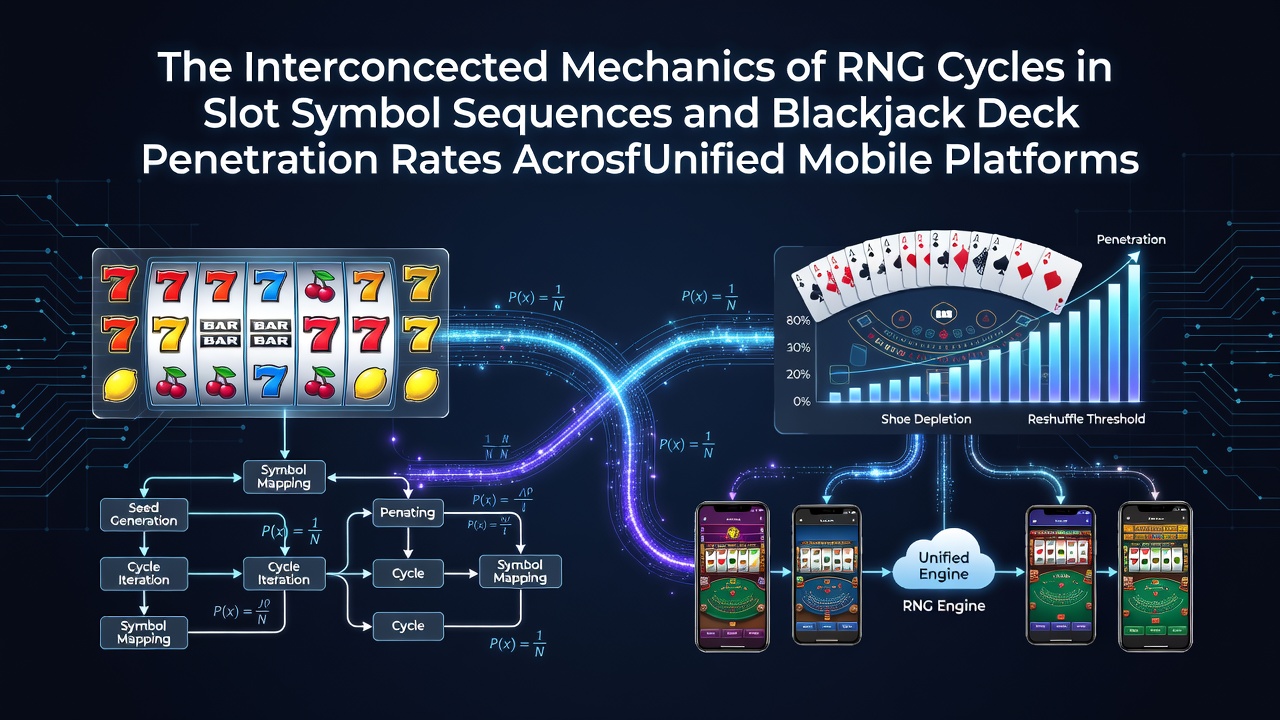
Random number generators form the core of digital slot operations while blackjack applications rely on controlled card distribution models that incorporate deck penetration calculations, and these elements operate together within single mobile platforms that synchronize multiple game types through shared software layers. Developers configure RNG algorithms to produce symbol sequences at fixed intervals measured in milliseconds, whereas blackjack modules track penetration rates as the percentage of cards dealt from a virtual shoe before triggering a reshuffle sequence.
Core RNG Operations in Slot Systems
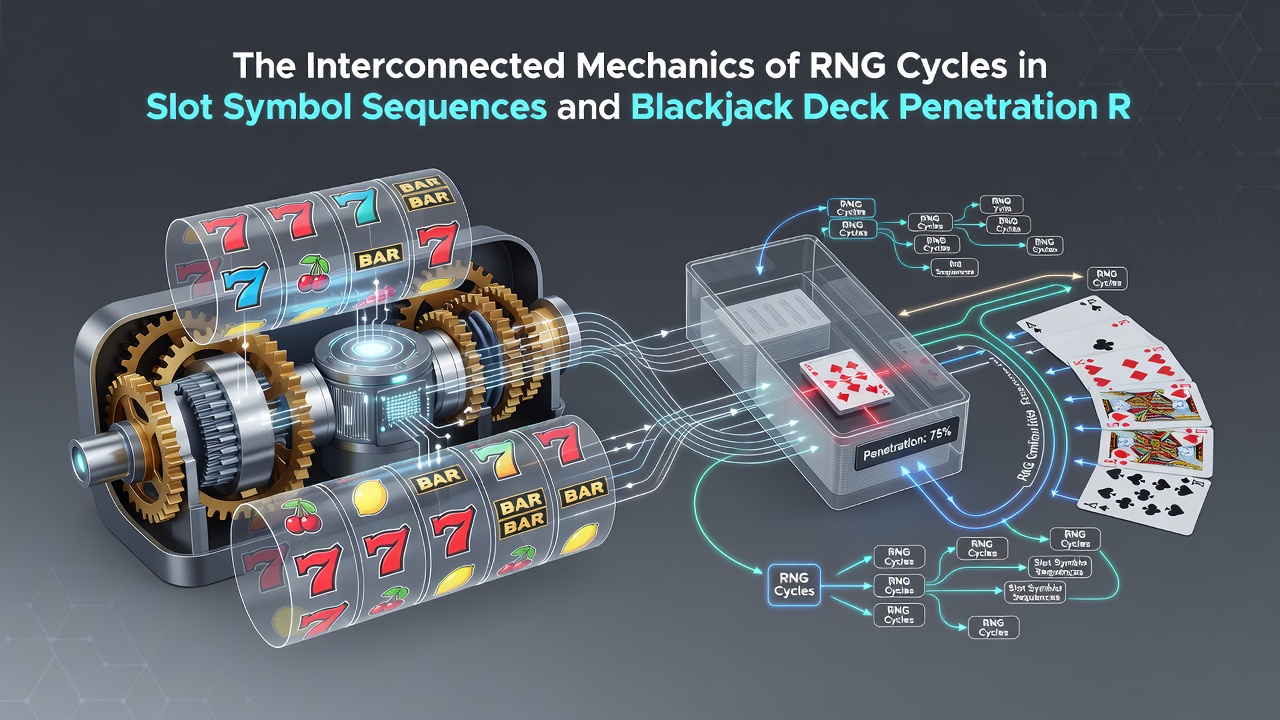
Slot symbol sequences emerge from pseudorandom algorithms that cycle through extensive number sets before mapping results onto reel positions, and researchers at institutions such as the University of Nevada have documented how cycle lengths influence hit frequencies across thousands of spins. Data from regulatory testing shows that certified RNGs maintain statistical independence between outcomes, which prevents predictable patterns even when platforms run continuous sessions on unified mobile architectures. Observers note that longer cycle periods in modern RNG implementations reduce clustering of high-value symbols, yet short cycles can appear in older systems still deployed on some regional networks.
Deck Penetration Mechanics in Mobile Blackjack
Blackjack deck penetration rates determine how far into a simulated shoe the dealing process advances before a new randomization occurs, and software on mobile devices calculates these rates dynamically based on player count and game speed settings. Penetration typically ranges between 50 and 85 percent in regulated environments, with figures revealing that deeper penetration correlates with slight shifts in house edge calculations according to models published by the Nevada Gaming Control Board. Mobile applications adjust these parameters through backend scripts that reset virtual decks at predetermined thresholds, ensuring compliance while maintaining session continuity across device switches.
Integration Patterns Across Unified Platforms
Unified mobile platforms merge RNG outputs from slots with blackjack deck management through centralized random seed generators, and this architecture allows the same underlying number stream to feed both reel symbol selection and card draw sequences without direct overlap in game logic. Engineers implement isolation layers that map RNG results differently for each title, so slot cycles remain independent of blackjack penetration timers even when both run simultaneously on one device. Studies from Australian gambling research groups indicate that such shared frameworks reduce server load by up to 30 percent during peak usage periods, while preserving the required randomness standards for each game type.
Platform updates scheduled for mid-2026 aim to refine these synchronization protocols further, yet current deployments already demonstrate stable performance across major operating systems. Those who examine transaction logs find that deposit events sometimes align with RNG reseeding points, although operators maintain separation between financial processing and game randomization modules to meet audit requirements.
Performance Metrics and Regulatory Standards
Testing laboratories evaluate RNG cycle integrity through millions of simulated outcomes, and reports from Canadian provincial regulators highlight consistent pass rates above 99 percent for platforms that handle both slots and blackjack within single applications. Penetration rate monitoring occurs via automated logs that flag deviations beyond set tolerances, prompting immediate reshuffles when thresholds are approached. Industry data shows mobile sessions averaging 45 minutes often encounter two to three deck resets in blackjack portions, while slot play continues uninterrupted on adjacent screen sections.
Developers incorporate checksum validations at regular intervals to confirm that RNG sequences have not been altered during transmission, and this practice supports cross-game consistency without introducing measurable latency. External audits conducted by independent firms verify that interconnected mechanics do not create unintended dependencies between slot symbol distributions and blackjack card ordering.
Conclusion
Mobile platforms continue to evolve their handling of RNG cycles and deck penetration through refined software integration, with ongoing standards from bodies like the Nevada Gaming Control Board guiding implementation details. These systems deliver independent game results while sharing foundational random processes, and available evidence confirms that current architectures meet established randomness and fairness criteria across regions.