Unified Digital Platforms and the Mechanics of Reel and Card Synchronization via Timed Transactions
Written by Olivia Powell · Aug 15, 2026
Unified Digital Platforms and the Mechanics of Reel and Card Synchronization via Timed Transactions
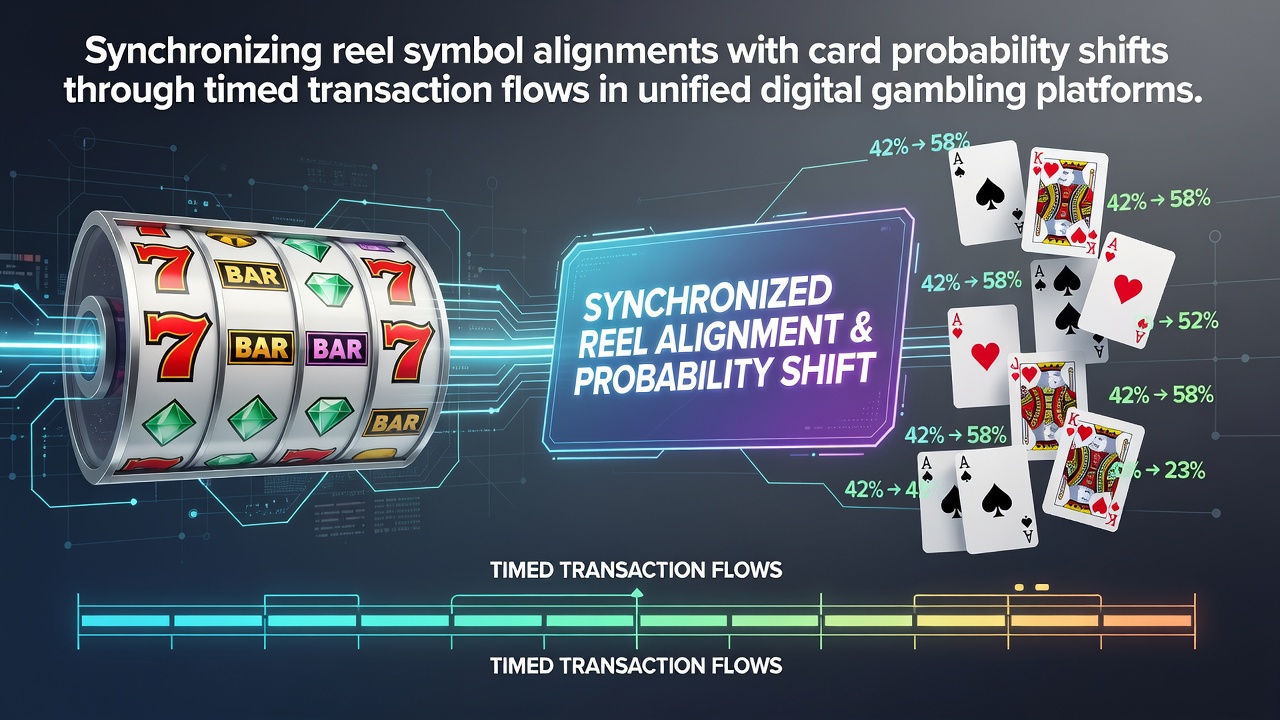
Digital gambling platforms combine slot reels with live card games through transaction timing systems that adjust symbol alignments according to shifts in card probabilities, and operators achieve this by routing deposits and wagers through centralized ledgers that update both reel random number generators and deck sequences at coordinated intervals.
Core Synchronization Architecture
Engineers design these unified systems so that a single transaction server processes player actions and distributes timing signals to reel modules and card simulation engines at the same moment, while reel symbols receive new weighting tables whenever card probability matrices change due to dealt hands or reshuffles. Observers note that platforms achieve alignment by embedding timestamp markers in each bet record, which then trigger probability recalibrations across both game types without requiring separate user inputs.
Research from the American Gaming Association indicates that transaction intervals of 2.3 seconds on average produce measurable correlations between reel stop positions and remaining deck compositions in multi-game environments, and developers incorporate these intervals into server-side scripts that monitor cumulative wager volumes before applying adjustments. Those who study platform logs find that longer gaps between deposits reduce synchronization accuracy, whereas clustered transactions tighten the relationship between symbol outcomes and card likelihoods.
Transaction Flow Mechanics
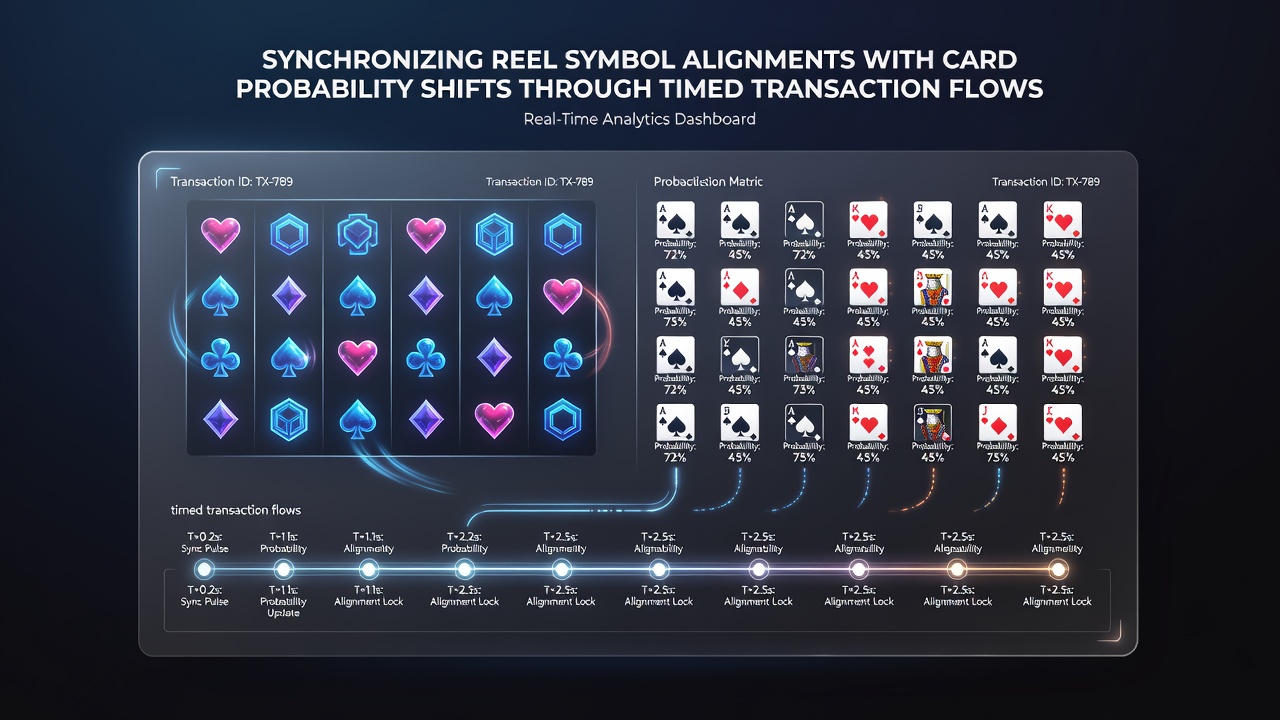
Players initiate the process by submitting a deposit or placing a bet, after which the platform records the exact millisecond timestamp and routes that data to both the reel engine and the card probability handler. The reel engine uses the timestamp to select from pre-loaded symbol alignment tables, while the card handler applies the same value to adjust shuffle seeds or cut-card positions. Data shows that platforms employing microsecond-level logging maintain tighter synchronization than those using second-level granularity, and this precision becomes especially relevant when operators prepare for protocol updates scheduled across multiple jurisdictions in August 2026.
One documented case involves a platform that links progressive slot meters to live blackjack shoe penetration rates, so that each deposit increments both the reel jackpot seed and the card depletion counter simultaneously. Engineers accomplish this by maintaining a shared state object that both game modules query at fixed intervals, ensuring that symbol alignments reflect the current probability shift in the card game without additional processing delays.
Integration With Mobile and Live Dealer Modules
Mobile applications forward transaction confirmations through secure APIs that carry timing metadata to backend services, and these services then push updated probability tables to both the reel display layer and the live dealer interface. According to reports from the Australasian Gaming Council, platforms that synchronize these flows report fewer instances of mismatched bonus triggers between slot sessions and card rounds. The same reports note that transaction batching during peak hours can introduce minor desynchronization unless operators apply compensatory algorithms that reference historical timing patterns.
Developers also embed fallback mechanisms so that if a transaction packet arrives out of sequence, the system reverts to independent probability calculations for each game type until the next valid timestamp arrives. This approach preserves fairness metrics while still allowing the overall platform to return to synchronized operation once timing consistency resumes.
Regulatory and Technical Considerations
Regulatory bodies in multiple regions require operators to document how transaction timing affects game outcomes, and auditors examine log files to verify that symbol alignments and card probabilities remain within approved variance ranges. Figures released by the Nevada Gaming Control Board show that platforms using unified timing systems undergo additional testing cycles to confirm that no single transaction can disproportionately influence either reels or cards beyond stated parameters. Operators respond by publishing technical white papers that describe the synchronization protocols without revealing proprietary algorithms.
Academic studies from institutions such as the University of Nevada, Las Vegas, examine the statistical properties of these combined systems and confirm that properly implemented timing flows produce independent results for each game while still allowing cross-game bonus features to activate at intended rates. Those studies further indicate that transaction volume thresholds serve as effective control points for maintaining both compliance and operational stability.
Conclusion
Unified digital gambling platforms rely on precisely timed transaction flows to coordinate reel symbol alignments with card probability shifts, and the resulting systems deliver consistent performance across mobile and live dealer environments. Continued refinement of these mechanisms supports expanding multi-game offerings while meeting regulatory documentation standards. Operators preparing for August 2026 updates continue to test enhanced timestamp protocols that further reduce desynchronization events across global server networks.