Tracing Funding Decisions and Reward Alignment in Mobile Reel Systems Alongside Live Dealer Platforms
Written by Greta Lange · Jun 1, 2026
Tracing Funding Decisions and Reward Alignment in Mobile Reel Systems Alongside Live Dealer Platforms
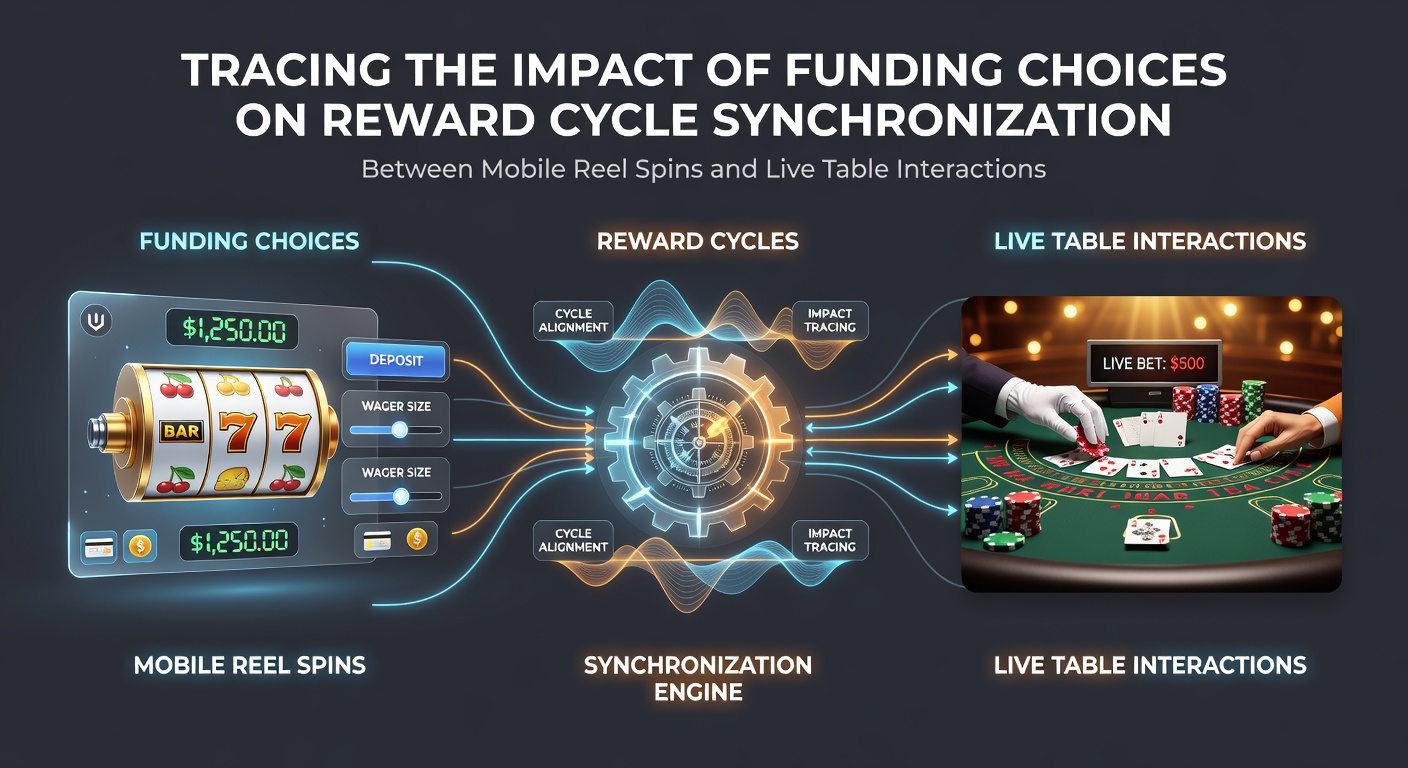
Payment method selection shapes how reward cycles align between mobile reel spins and live dealer sessions, with transaction speed and processing fees directly influencing bonus trigger timing across platforms. Operators track these patterns through integrated software that monitors deposit confirmations and their downstream effects on spin sequences and table hand resets.
Payment Pathways and Cycle Timing
Instant deposit options accelerate reward synchronization because funds reach player accounts within seconds, allowing immediate transitions from reel spins to live table play without interrupting bonus accumulation windows. Slower methods such as bank transfers introduce delays that shift reward eligibility periods, often causing mobile spin bonuses to expire before players can apply them to table interactions. Research from the Nevada Gaming Control Board indicates that platforms using real-time processing report higher rates of coordinated reward events between the two formats.
Regional Regulatory Shifts in 2026
Regulatory updates scheduled for June 2026 in several North American jurisdictions require operators to disclose funding source impacts on bonus synchronization, prompting software developers to build clearer tracking tools for players. These rules emphasize transparency around how deposit timing affects reward cycles in multi-platform environments, where mobile reels and live tables operate under unified loyalty systems. Data collected by industry groups shows that compliance preparations have already led some providers to adjust their backend algorithms to maintain consistent reward pacing regardless of payment speed.
Software Integration and Reward Mapping
Multi-platform casino systems map reward cycles by linking deposit ledgers to both reel random number generators and live dealer shoe management protocols, creating synchronized bonus windows that activate across formats. When players fund accounts through digital wallets, the system registers the transaction almost instantly and aligns upcoming spin multipliers with table hand completion rewards. Observers note that this mapping reduces friction during switches between mobile reels and live interactions, particularly when progressive jackpots or side bets draw from shared funding pools.
Take one operator who implemented unified ledgers last year and observed a measurable increase in cross-format play sessions, as players moved seamlessly between spinning reels on phones and joining live tables without losing accumulated rewards. Figures from academic studies on gaming behavior reveal that synchronized cycles encourage longer engagement periods when funding choices support rapid confirmation.
Case Examples from Different Markets
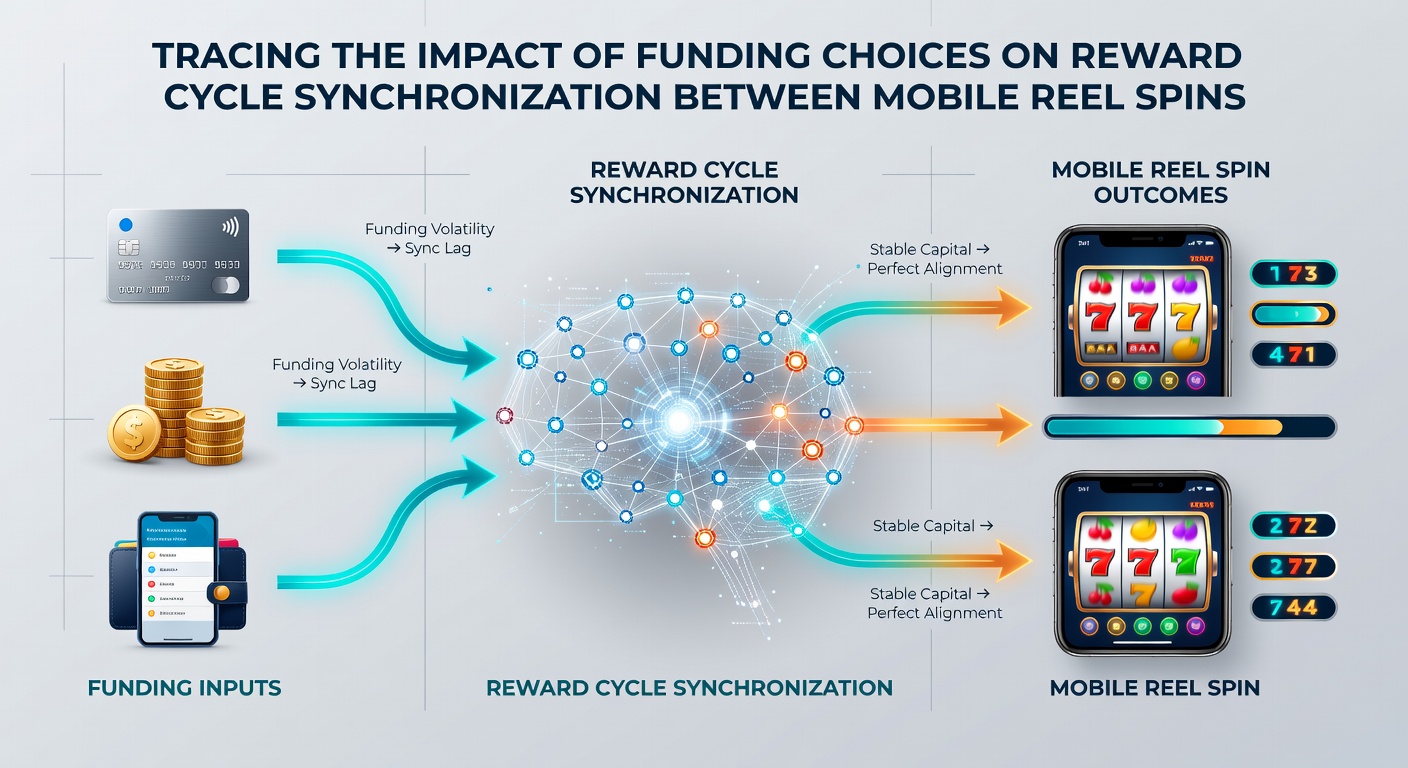
In Australian markets, operators following guidelines from the Australian Communications and Media Authority have tested funding models that tie deposit velocity to reward reset intervals, resulting in more predictable bonus availability for both reel spins and live card rounds. Canadian research institutions have published reports showing similar patterns, where e-wallet users experience tighter synchronization between mobile symbol matches and live dealer outcomes compared with credit card transactions that carry additional verification steps.
Those who study these systems point out that fee structures embedded in certain funding methods can erode reward value if not accounted for during cycle planning, leading platforms to display net funding amounts alongside expected bonus timelines. One documented implementation in European markets adjusted live table reset schedules to match mobile reel bonus windows more closely after analyzing deposit data streams.
Future Developments and Platform Adjustments
Industry organizations continue to monitor how emerging payment technologies such as instant bank transfers and cryptocurrency options alter reward synchronization dynamics. Platforms incorporating these methods report fewer instances of misaligned bonus triggers, because transaction confirmations occur in near real time and feed directly into unified reward engines. Data indicates that players who select low-latency funding routes maintain higher continuity between reel spin streaks and live table sessions, particularly during promotional periods that span both formats.
Conclusion
Funding choices continue to exert measurable influence on how reward cycles coordinate between mobile reel spins and live table interactions, with transaction speed, regulatory requirements, and software integration serving as primary factors. As platforms prepare for the June 2026 regulatory landscape, operators refine their systems to deliver consistent synchronization regardless of deposit method. Continued data collection from diverse markets will further clarify these relationships and guide future platform designs.