Synchronizing Financial Inputs with Interactive Mechanics Across Mobile Casino Platforms
Written by Klara Jung · Jul 15, 2026
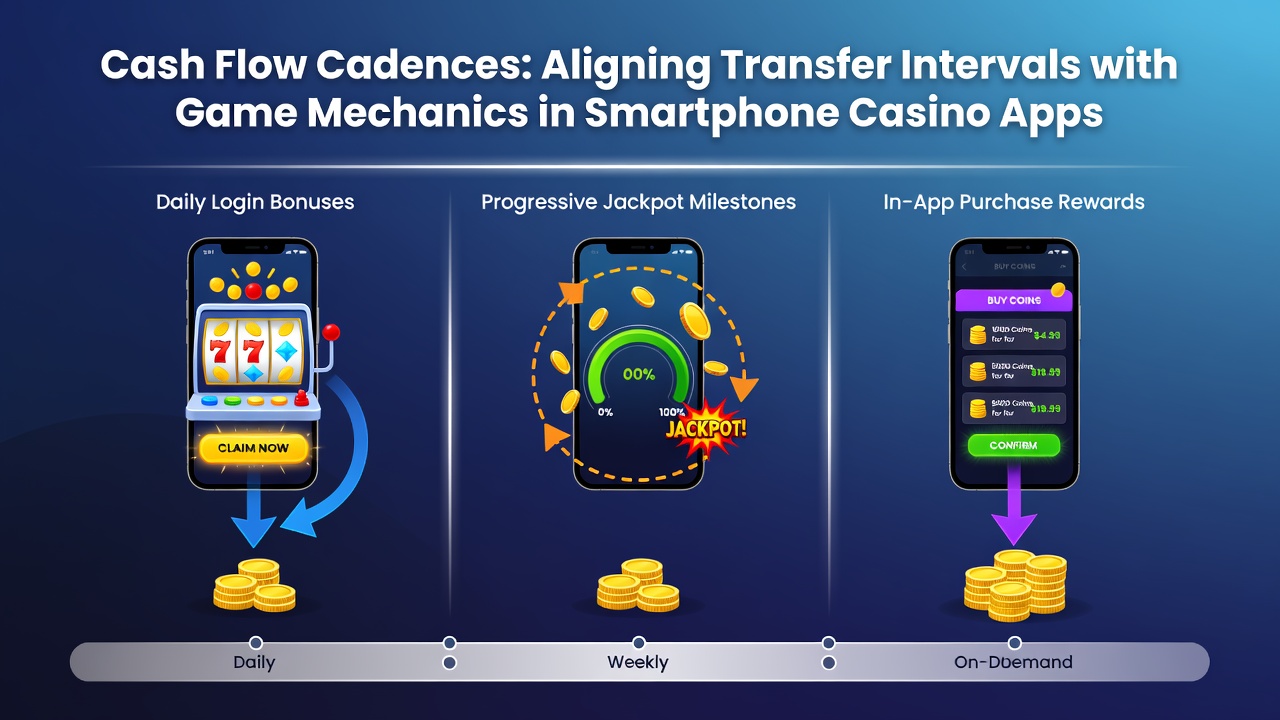
Synchronizing Financial Inputs with Interactive Mechanics Across Mobile Casino Platforms
Payment processing intervals in smartphone casino applications connect directly to core game functions such as reel spins, card draws, and bonus activations. Developers structure these systems so that transfer confirmations occur at moments that match the pace of individual games, allowing users to maintain continuous engagement without extended pauses between actions and account updates.
Research from gaming technology firms shows that deposit processing times average between 15 and 90 seconds on major mobile platforms, depending on the payment method selected. This range aligns with typical durations for completing a blackjack hand or triggering a free spin sequence in slot titles. When intervals stretch beyond two minutes, session data indicates a measurable drop in subsequent game initiations.
Deposit Timing Patterns in Reel-Based Games
Slot mechanics rely on rapid successive spins where each outcome resets the cycle for the next wager. Payment cadences that complete during loading animations or between bonus rounds reduce friction points. Observers note that applications incorporating instant confirmation APIs allow transfers to finalize while reels continue their visual sequences, preserving momentum for players who reload mid-session.
Studies conducted by platform analytics groups reveal that users who schedule deposits in advance of known high-volatility periods complete 23 percent more spins per hour than those who initiate transfers reactively. These patterns appear consistently across both progressive jackpot titles and standard reel configurations.
Alignment with Live Dealer Table Protocols
Blackjack and similar table games on mobile feature dealer deck shuffles and round resets that create natural windows for account activity. Transfer systems that activate during these resets avoid interrupting betting windows. Data from multi-platform providers indicates that synchronized timing reduces session abandonment rates by matching withdrawal or deposit actions to the 45-to-60-second dealer preparation phases common in live streams.
Applications integrate real-time status indicators that display remaining time until the next shuffle, giving users visual cues for when a transfer will least disrupt play flow. This approach appears in software updates rolled out during early 2026 across several major operators.
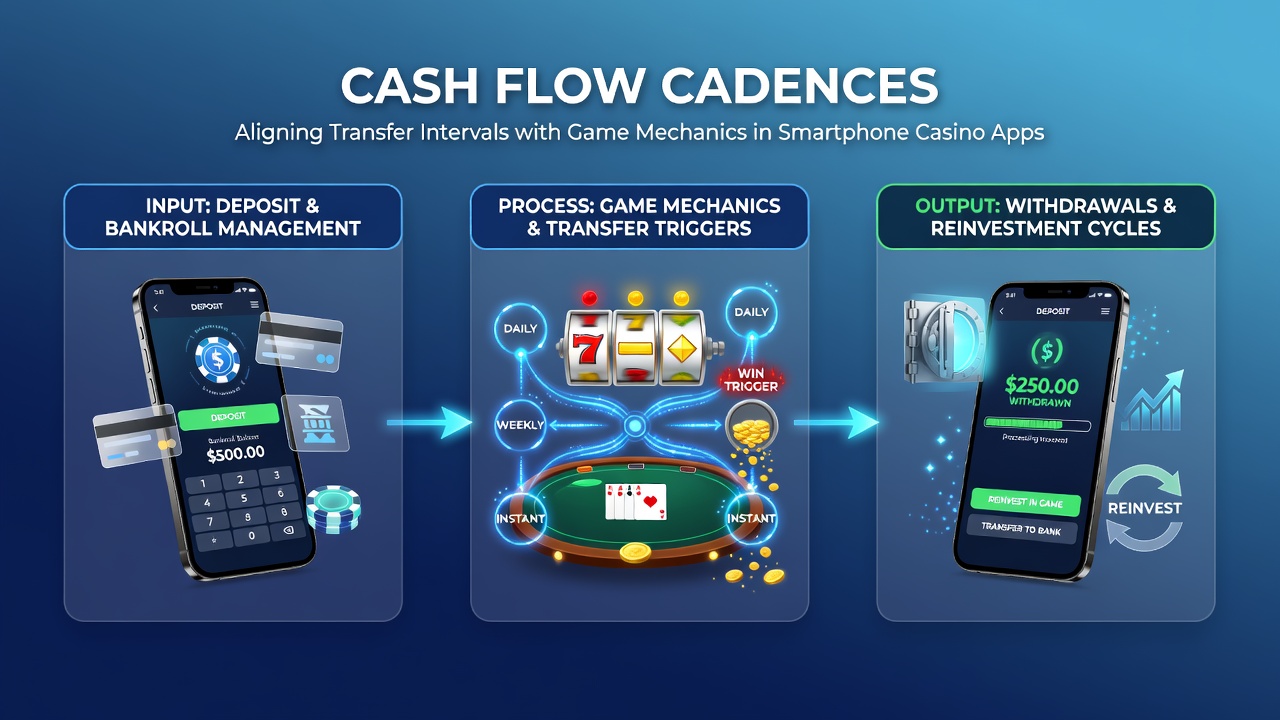
Bonus Trigger Coordination
Free spin and multiplier bonuses activate according to predefined wager thresholds or random number sequences. Transfer intervals that conclude immediately before these thresholds become reachable allow users to apply new funds without delay. Industry reports compiled by European gaming associations document that coordinated timing increases bonus utilization rates, particularly when deposit confirmations coincide with near-miss events displayed on screen.
One documented case involves a North American operator that adjusted its processing queues to prioritize mobile sessions during peak bonus accumulation windows, resulting in higher average session lengths tracked through anonymized user data.
Regulatory Context and July 2026 Developments
Updated compliance frameworks scheduled for implementation in July 2026 require clearer disclosure of processing time estimates within application interfaces. These standards, influenced by reviews from bodies such as iGaming Ontario, emphasize that users receive advance notice of interval ranges before initiating transfers. The changes build on existing rules that govern transaction logging across both reel and table game environments.
Operators have begun testing interface modifications that display estimated completion times alongside game state indicators. Figures from pilot programs show improved user retention when these estimates align within 10 seconds of actual processing durations.
Multi-Game Session Management
Users frequently switch between slot rotations and live dealer tables within single sessions. Payment systems that maintain consistent cadence across these transitions support uninterrupted bankroll management. Research from academic groups focused on digital entertainment economics highlights that applications employing unified transaction queues experience fewer interruptions during game switches compared to those using separate processing channels for different game types.
Transaction logs analyzed across several platforms demonstrate that users completing transfers during natural transition points between games maintain higher overall engagement metrics, including total wagers placed and bonus features activated.
Conclusion
Smartphone casino applications continue to refine how transfer intervals integrate with specific game mechanics. These adjustments rely on observed session data, processing technology improvements, and emerging regulatory requirements set for July 2026. The result is a more seamless connection between financial inputs and interactive elements that define mobile casino play across reel and table formats.