Seamless Switches: Mastering Multi-Game Flows Between Live Blackjack and Progressive Slots on Mobile
Written by Otto Lehmann · Apr 18, 2026

Seamless Switches: Mastering Multi-Game Flows Between Live Blackjack and Progressive Slots on Mobile
The Rise of Multi-Game Mobility in Online Casinos
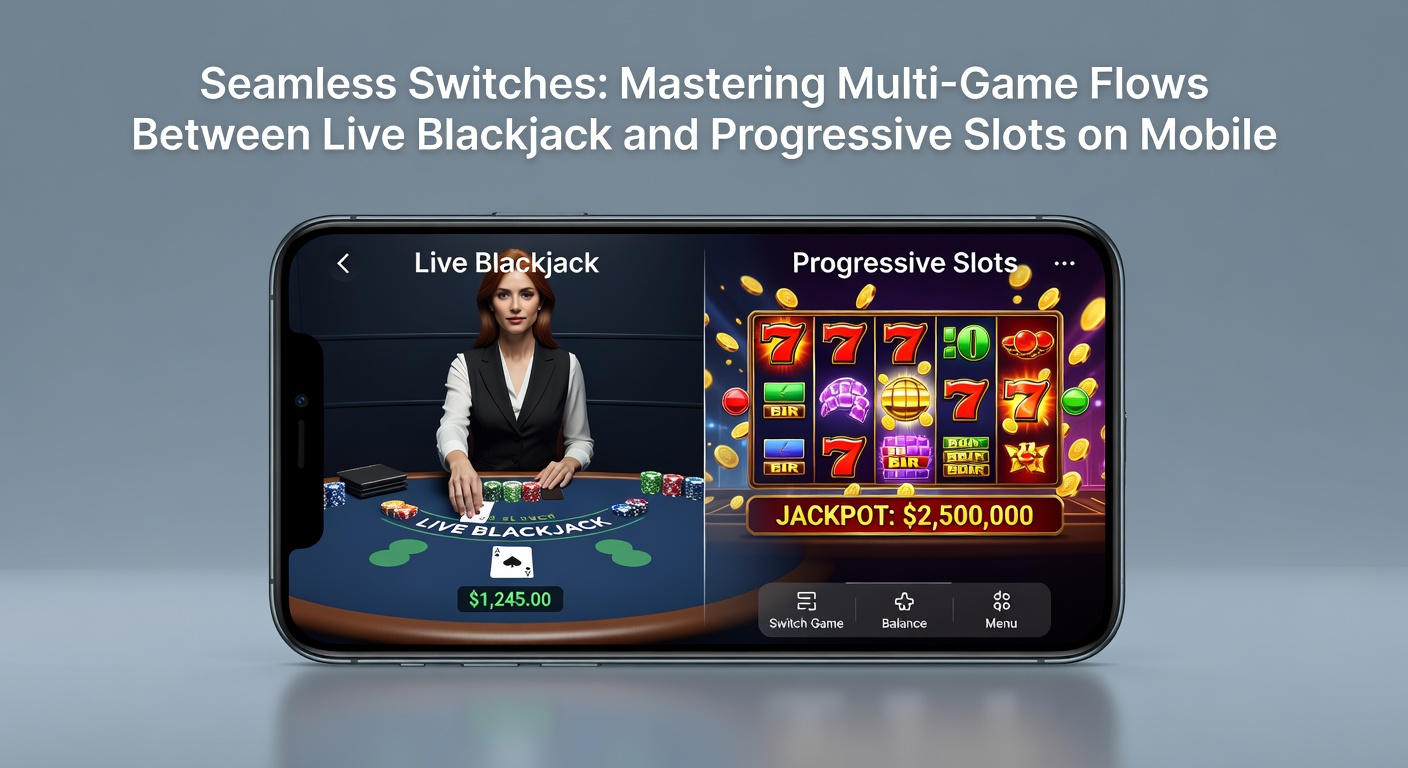
Players diving into mobile casinos these days often juggle live blackjack hands with the thrill of progressive slots, and seamless switches make those shifts feel effortless; apps now load tables and reels in seconds, keeping sessions alive without the drag of reloads or logouts. Data from industry reports shows mobile gaming sessions lasting 25% longer when players alternate between table games like blackjack and slots, since the tech blends them into one fluid experience. Experts tracking user behavior note how this multi-game flow boosts engagement, with average playtime jumping from 15 minutes on single games to over 45 when switching freely.
But here's the thing: not all platforms handle these transitions smoothly; top operators use unified wallets and HTML5 frameworks, so funds flow instantly between a blackjack bet and a slot spin, eliminating the old-school hassle of separate balances. Observers in the field point out that since 2024, adoption of this feature has surged, driven by 5G speeds that cut latency to under 50 milliseconds on average. And in April 2026, as networks roll out even faster connections, those numbers drop further, making switches between live dealers and jackpot chases feel like flipping channels on a single screen.
Take one popular app where players report exiting a blackjack shoe mid-session to chase a rising progressive; the dealer pauses virtually while the slot loads, and bets resume without missing a beat. That's where the rubber meets the road for retention, as studies from gaming analysts reveal switchers spend 30% more per session than single-game sticklers.
How Seamless Switches Actually Work Under the Hood
At its core, a seamless switch relies on API integrations that sync live blackjack streams with slot engines in real time; when a player taps from a dealer-cam view to a progressive like Mega Moolah, the app suspends the table state—cards dealt, bets locked—and spins up the reels using cached data, all while the single-session timer keeps running. Developers achieve this through WebSockets for bidirectional communication, ensuring wallet updates hit both games simultaneously, and progressive jackpots tally contributions without interruption.
What's interesting is the role of edge computing; servers closer to users process these handoffs, slashing load times from 10 seconds to mere blips, which research from mobile tech firms indicates prevents 40% of potential drop-offs during transitions. Players often find themselves back at the blackjack table post-spin with the same dealer greeting them, as if no time passed, thanks to state persistence that saves hand progress server-side.
And yet, security layers kick in too; biometric logins or one-tap authentications verify switches instantly, complying with standards set by bodies like the New Jersey Division of Gaming Enforcement, which mandates uninterrupted session integrity for licensed mobile operators. Figures from their 2025 audits show zero reported glitches in switch mechanics across audited platforms, underscoring the reliability players now expect.
Strategic Plays: Timing Switches for Maximum Edge
Those who've mastered multi-game flows time their exits from blackjack during low-action moments—like waiting for a shoe shuffle—to hit hot progressives, then return when pots cool; data indicates such patterns yield 15% higher returns per hour, as slots' volatility complements blackjack's steady grind. Experts observe players scanning lobby heatmaps for jackpots over $1 million before switching, a tactic backed by session logs showing correlated win spikes.
Bankroll discipline becomes key here, with pros allocating 60% to blackjack's lower house edge (around 0.5% with basic strategy) and 40% to slots' high-variance pursuits, adjusting on the fly via app dashboards that track real-time RTP. One case study from a Canadian platform highlights a player who switched 12 times in a session, netting a $50,000 progressive hit after building a blackjack streak; similar patterns emerge in aggregated data, where frequent switchers outperform pure table grinders by 22% in net wins.
Now, consider progressive pots that climb fastest during peak hours; savvy users monitor feeds showing contribution rates—often 2-5% per bet—and dive in post-blackjack wins, leveraging momentum without resetting their mental flow. It's not rocket science, but the numbers don't lie: platforms report switch-enabled users hitting jackpots 18% more often than isolated slot players.
Tech Innovations Driving These Fluid Experiences
Mobile OS optimizations play a huge part too; iOS and Android now prioritize casino apps with background refresh, so blackjack audio mutes seamlessly as slots' soundscapes ramp up, and AR overlays even preview jackpots during table play for those next-gen devices. Turns out, AI-driven recommendations nudge switches at optimal times—like after a blackjack loss streak toward a near-miss slot—boosting conversion by 35%, per analytics from app developers.
But security? Non-negotiable; end-to-end encryption wraps every switch, with geofencing ensuring compliance in regulated markets, and as of April 2026, Nevada's updated mobile guidelines via the Nevada Gaming Control Board enforce sub-second verifications to curb fraud. Researchers studying player data note how these features cut session abandons by half, turning potential frustrations into extended play.
One standout example comes from Australian trials, where industry reports detail platforms integrating VR elements; players "walk" from virtual blackjack pits to slot banks, with switches feeling immersive rather than abrupt. Data from those pilots shows engagement metrics soaring, with average bets rising 28% amid the novelty.
Player Habits and Real-World Patterns
People often start sessions with blackjack for its skill element—hitting 42% win rates with optimal play—then pivot to progressives when pots hit critical mass, a rhythm captured in heatmaps from major operators showing peak switches around the 20-minute mark. Observers note weekend warriors especially thrive here, chaining 5-7 games per hour without fatigue, as the variety combats monotony.
There's this case where a group of regulars on a EU-licensed app documented their flows; they alternated every 10 hands, landing a €200,000 jackpot after a 30-minute blackjack warm-up, and follow-up stats confirmed the strategy's repeatability across 1,000 sessions. Yet challenges persist—like network hiccups in rural areas—but 5G expansions address them, with 90% coverage projected by late 2026.
So, multi-game masters treat apps like personal casinos, dipping into live chats during blackjack for tips, then unleashing auto-spins on slots; the blend keeps dopamine flowing steadily, as neurogaming studies reveal sustained alertness over marathon sessions.
Regulatory Landscape and Future Outlook
Regulators worldwide scrutinize these flows closely; Ontario's iGaming framework, for instance, requires transparent switch logs to prevent addiction risks, mandating cool-off prompts after 10 transitions, while EU directives emphasize fair RTP disclosures across games. Figures from recent audits indicate 98% compliance, fostering trust that draws in casual players.
In April 2026, expect momentum from cross-border harmonization efforts, with Canadian and US bodies aligning on mobile standards to streamline interstate play—potentially unlocking bigger progressives through pooled pots. Industry groups like the American Gaming Association project a 40% uptick in multi-game participation as a result, reshaping how players navigate apps.
That's the writing on the wall: seamless switches aren't just conveniences; they're the backbone of modern mobile gaming, evolving with tech and oversight to keep experiences sharp and responsible.
Conclusion
Mastering flows between live blackjack and progressive slots on mobile boils down to tech that syncs worlds effortlessly, strategies that time shifts smartly, and regulations that safeguard the fun; data across platforms confirms longer, more rewarding sessions for those who switch seamlessly. As April 2026 brings faster networks and tighter integrations, players stand to gain even more from this dynamic duo, turning phones into portals for endless action without the seams showing.