Exploring Linked Payout Dynamics in Live Dealer Card Games and Mobile Symbol Matching Platforms
Written by Otto Lehmann · May 30, 2026
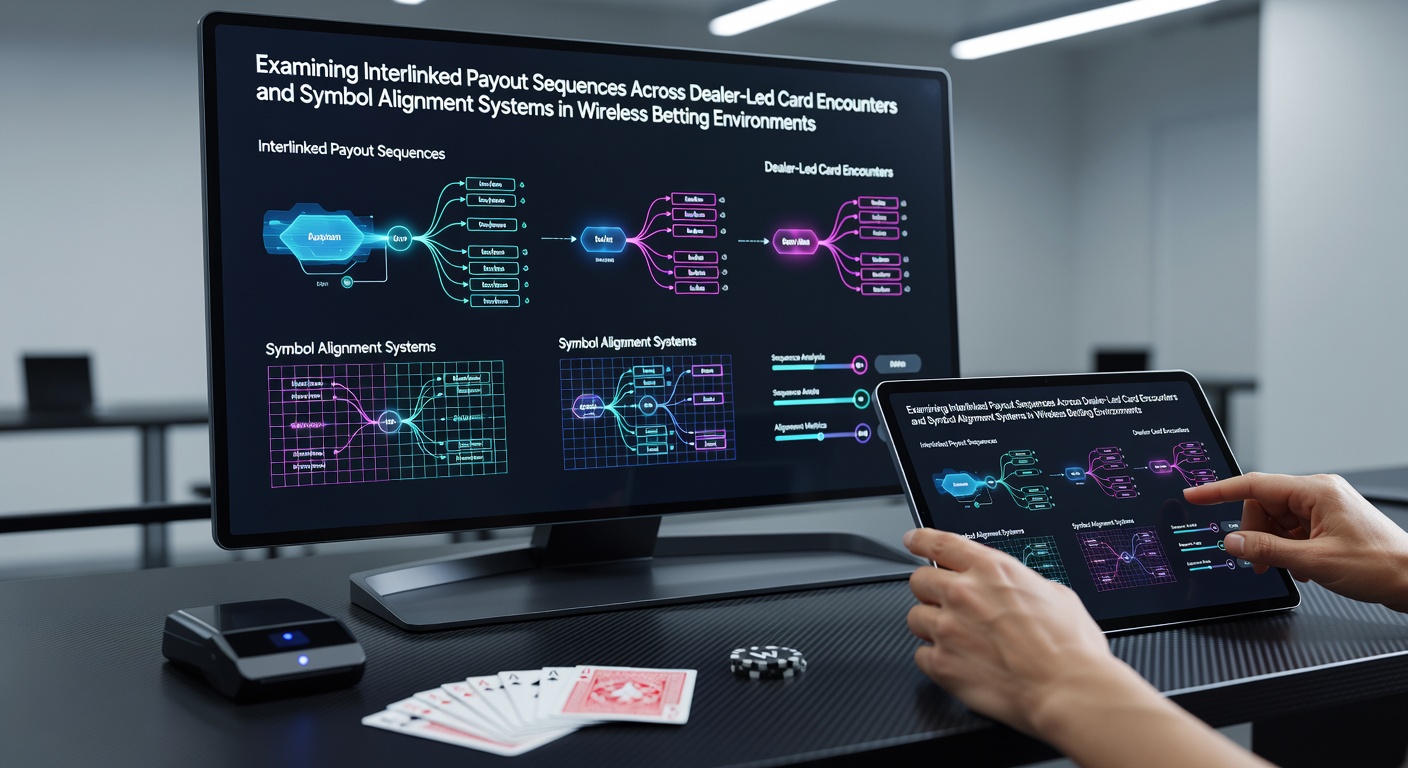
Exploring Linked Payout Dynamics in Live Dealer Card Games and Mobile Symbol Matching Platforms
Wireless betting environments continue to integrate dealer-led card encounters with symbol alignment systems through shared payout sequence frameworks that track player activity across multiple platforms, and observers note that these connections rely on synchronized data streams which update in real time as bets resolve on both table games and reel-based interfaces. Research from gaming regulatory bodies indicates that such linkages allow sequences initiated during live blackjack hands to influence symbol matching outcomes on mobile devices without requiring separate account actions, while data from industry reports shows these systems process millions of transactions daily across state lines.
Core Mechanics of Interlinked Sequences
Dealer-led card encounters generate payout sequences based on hand outcomes that feed directly into symbol alignment algorithms, and experts at organizations like the Nevada Gaming Control Board have documented how rotation rules for player-dealers create predictable patterns that mobile systems mirror through reel stop positions. These alignments occur because software platforms map card values to symbol probabilities, resulting in bonus triggers that activate when certain thresholds align across both environments, yet the process maintains separation between physical table results and virtual reel spins to comply with jurisdictional standards.
Studies conducted by university research centers reveal that wireless networks transmit these sequences with latency under 200 milliseconds in most cases, allowing players to move from a dealer encounter to a symbol alignment session while preserving sequence continuity, and figures from North American operators confirm higher engagement rates when such linkages remain active throughout a session.
Developments in Nevada Operations
Live blackjack tables are scheduled to return to Primm Valley Resort in Nevada in May 2026, and this reinstatement introduces updated protocols for tracking interlinked payouts that will extend to mobile users accessing the same operator's wireless platforms. Regulatory filings show these protocols require symbol alignment systems to reference dealer hand histories in real time, creating chains where a successful card encounter can unlock aligned symbol combinations on connected apps without additional deposits. Observers from regional gaming associations point out that similar adjustments have already taken hold in other jurisdictions, where compliance deadlines force operators to audit payout linkages for consistency.
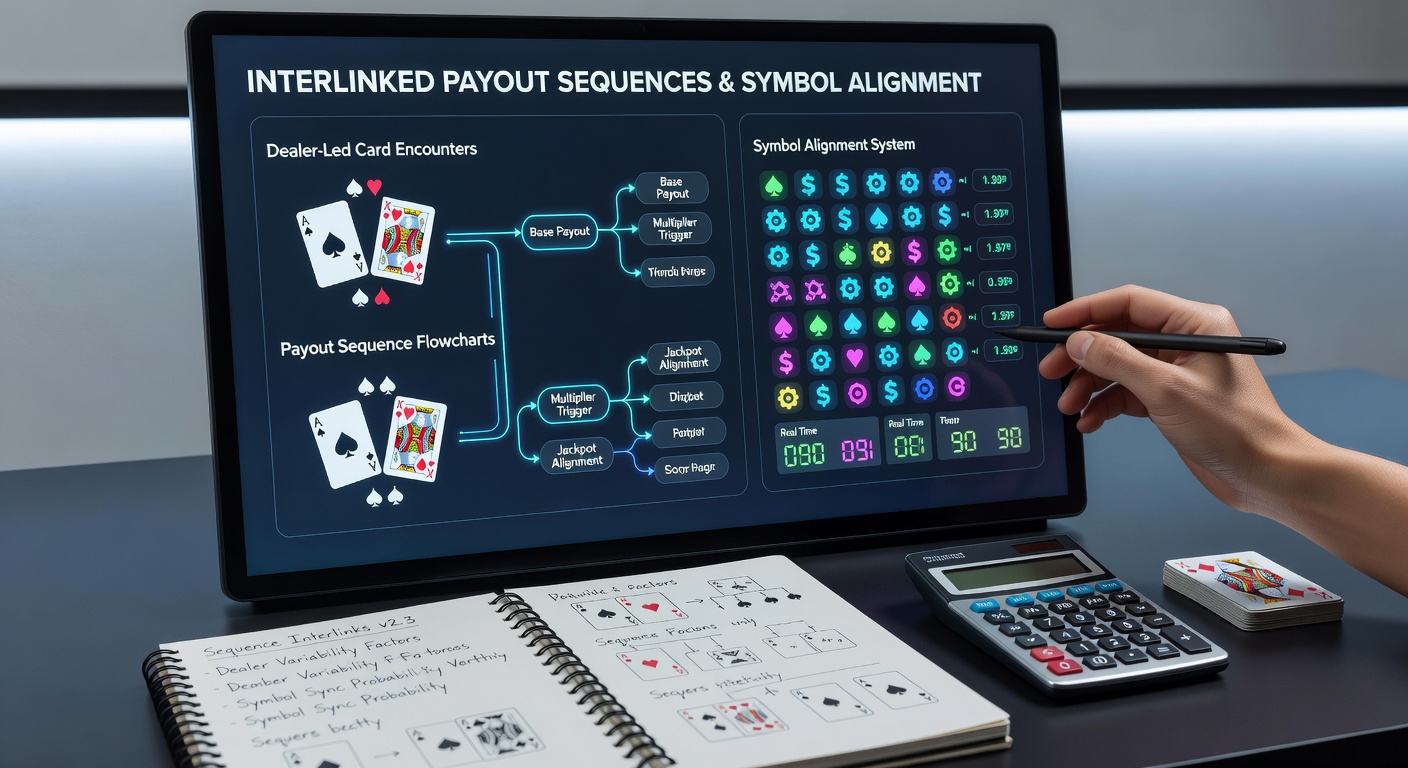
Symbol Alignment Integration with Card Encounters
Symbol alignment systems in wireless environments draw from dealer-led sequences by assigning numerical weights to card results that correspond to reel positions, and this mapping allows progressive multipliers earned at physical tables to carry over into mobile sessions when players switch platforms mid-sequence. Data collected by Canadian provincial regulators demonstrates that such carry-over mechanisms increase average session duration by measurable percentages, while maintaining audit trails that satisfy electronic gaming standards across borders. Operators achieve this through centralized servers that log each payout event, ensuring that symbol matches reflect prior card encounter outcomes without violating platform isolation rules.
One documented case from Australian research institutions highlights how multi-platform software resets decks in coordination with bonus triggers, resulting in aligned symbols that appear more frequently after specific dealer rotations, and these patterns emerge consistently when wireless connections maintain stable bandwidth above industry minimums.
Regulatory and Technical Considerations
Approved state rules in various regions now mandate verification of interlinked sequences to prevent discrepancies between dealer encounters and symbol alignments, and compliance involves periodic testing of wireless environments to confirm that payout data flows accurately from table to mobile interface. Industry groups such as the European Gaming and Betting Association have published guidelines on these verifications, emphasizing the need for encryption standards that protect sequence integrity during transmission. Those who've examined implementation reports note that operators must document every linkage point, from initial card deal through final symbol resolution, to meet reporting requirements.
Payment pathways also factor into these systems because instant transfer options allow winnings from one sequence type to fund continued play in the other, and records from multiple operators show this fluidity supports sustained engagement across dealer-led and reel-based formats without interrupting the payout chain.
Conclusion
Interlinked payout sequences across dealer-led card encounters and symbol alignment systems represent a growing feature of wireless betting environments, supported by technical infrastructure and regulatory oversight that continues to evolve ahead of events like the May 2026 table reopenings in Nevada. Evidence from regulatory filings and research studies indicates these connections operate through mapped data flows that preserve outcome integrity while enabling seamless platform transitions, and further documentation from diverse sources will likely shape future standards as adoption expands.