Electronic Transaction Pathways and Sequential Bonus Progressions in Mobile Live Table and Reel Games
Written by Gisela Günther · Jun 6, 2026
Electronic Transaction Pathways and Sequential Bonus Progressions in Mobile Live Table and Reel Games
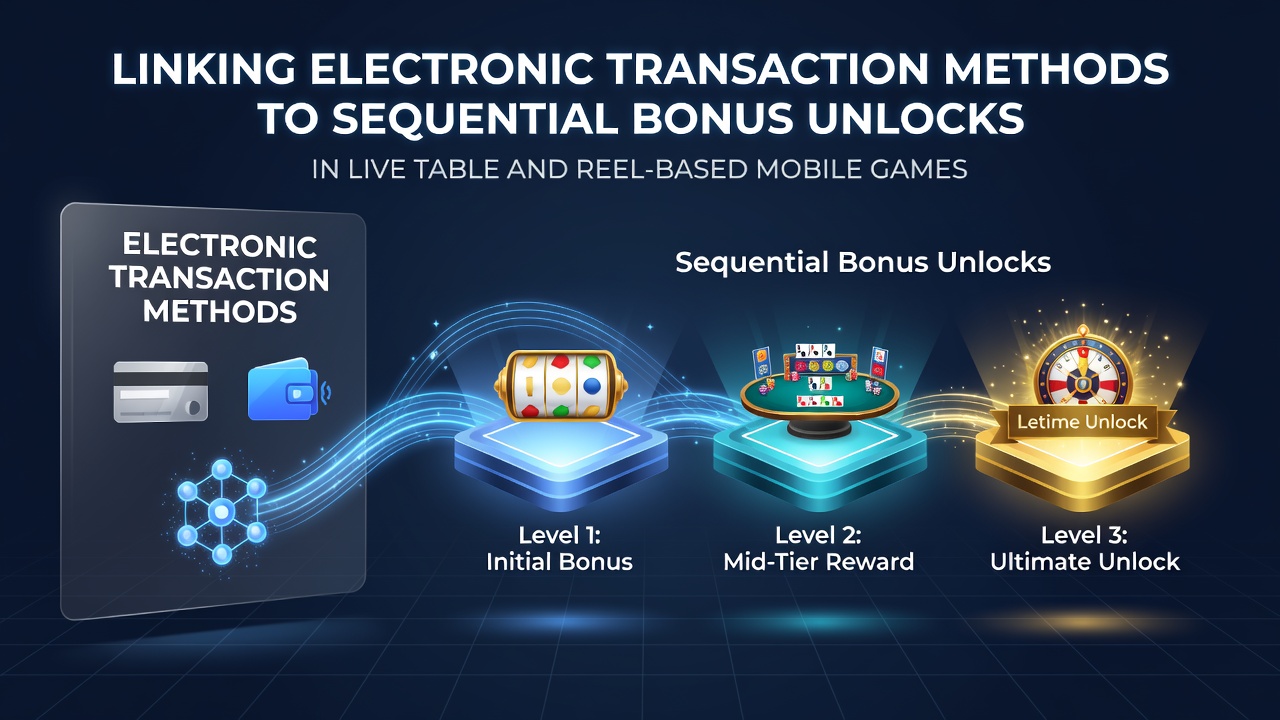
Electronic transaction methods now connect directly to sequential bonus unlock systems inside mobile platforms that host both live dealer tables and reel-based games, creating chained reward structures that advance only after specific deposit or transfer milestones occur. Payment gateways process instant transfers from bank accounts, digital wallets, and card networks, then feed confirmation data into backend systems that track player progress through predefined bonus tiers. This linkage ensures that each completed transaction triggers the next available unlock without requiring separate manual claims, while maintaining audit trails required by regulatory frameworks.
Core Mechanics of Linked Transaction and Bonus Systems
Transaction records update in real time as funds move through secure processors, and those records map onto bonus ledgers that release rewards in fixed order. A first deposit might unlock an initial free spin allocation on reel games or a matched play credit at live tables, whereas a second or third transfer activates higher-tier multipliers or exclusive table access. Developers program these sequences so that bonus eligibility depends on cumulative transaction volume rather than single events, which reduces fragmentation across separate game categories and keeps session data synchronized across mobile interfaces.
Live table environments use the same transaction feeds to coordinate dealer resets with bonus availability, meaning a player who completes a qualifying transfer sees new side-bet options or progressive side pots become active immediately. Reel-based titles follow parallel logic, advancing symbol collection meters or multiplier ladders once the linked payment clears. Observers note that this unified approach replaces earlier models where bonuses existed in isolated silos, and the change has produced measurable increases in cross-game engagement according to aggregated platform metrics.
Payment Methods and Their Role in Sequence Activation
Common electronic methods include instant bank transfers, e-wallet services, and tokenized card payments, each carrying distinct confirmation speeds that affect how quickly the next bonus tier releases. Systems distinguish between instant and batch-processed transfers, applying different unlock timers accordingly. Data from regional operators shows that platforms prioritizing same-minute confirmations record higher rates of sequential bonus completion compared with those relying on delayed settlement.
Regulatory bodies such as the New Jersey Division of Gaming Enforcement require operators to maintain transparent records of how transaction data feeds bonus engines, ensuring players receive accurate progress updates. Similar standards appear in other jurisdictions, where audit protocols verify that bonus sequences remain consistent regardless of the funding source used. Industry reports from the European Gaming and Betting Association indicate that standardized transaction-to-bonus mapping has reduced player disputes over unlock timing by measurable margins in recent reporting periods.
Integration Patterns Across Live Tables and Reel Games
Mobile applications coordinate live dealer interfaces with reel engines through shared transaction ledgers, allowing a single funding event to advance bonuses in both environments simultaneously. A player shifting from a blackjack table to a slot session sees the same cumulative deposit count apply toward the next unlock in each category. This cross-format continuity relies on centralized player accounts that store transaction history and bonus state in unified databases.
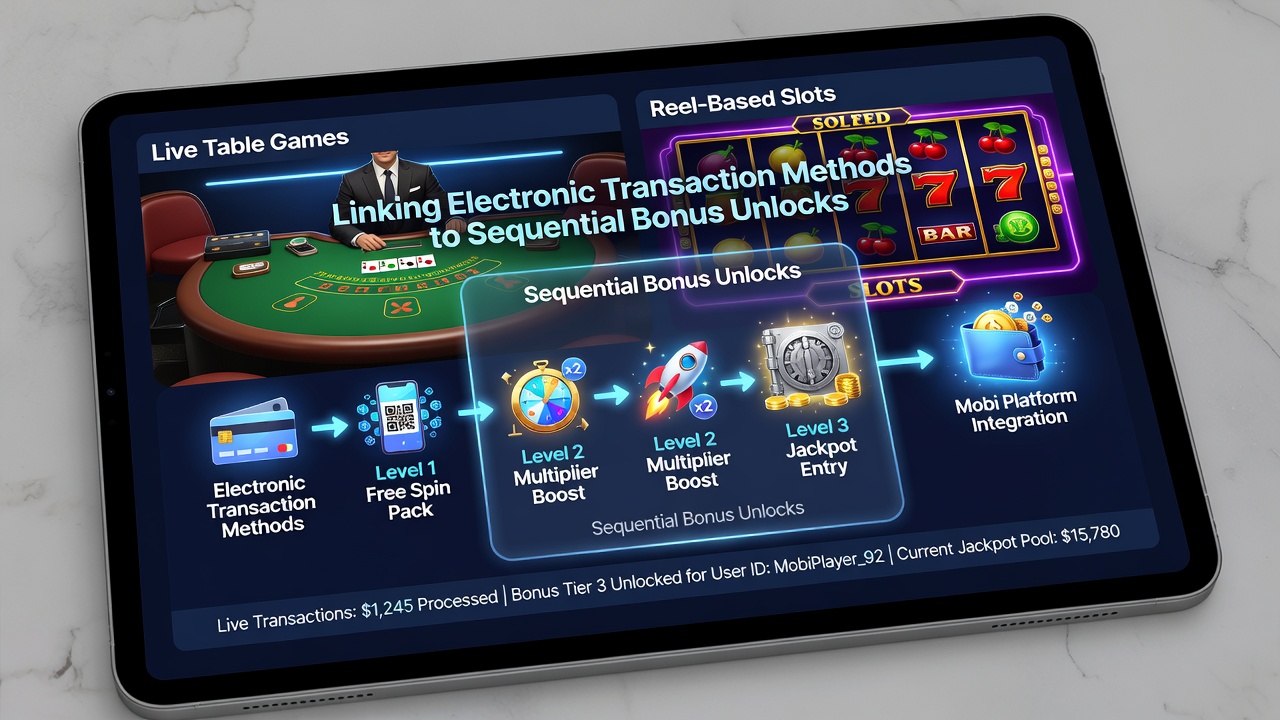
Developers implement API calls that push transaction confirmations to both live table servers and reel engines within milliseconds, preventing desynchronization. When a June 2026 compliance update takes effect in several U.S. states, operators must demonstrate that these real-time links preserve player funds and bonus entitlements during multi-game transitions. The requirement builds on existing technical standards already in place for session tracking and has prompted additional investment in redundant verification layers.
Technical and Security Considerations
Encryption protocols protect transaction payloads as they travel between payment processors and game servers, while tokenization shields sensitive account details from game-side applications. Sequential bonus logic runs on isolated microservices that receive only sanitized transaction metadata, limiting exposure in case of localized breaches. Research published through university gaming technology programs highlights that compartmentalized designs maintain performance even when thousands of concurrent mobile sessions update bonus states simultaneously.
Testing regimens verify that bonus sequences advance correctly after every supported payment type, including edge cases such as partial refunds or chargebacks. Operators document these tests to satisfy oversight from bodies including the Nevada Gaming Control Board, which evaluates both functional accuracy and regulatory compliance during periodic reviews.
Conclusion
Electronic transaction pathways now serve as the primary trigger for sequential bonus progressions across mobile live table and reel-based environments, replacing fragmented manual systems with automated, auditable flows. Continued refinement of these linkages aligns with evolving regulatory timelines, including the June 2026 compliance milestones in multiple jurisdictions, while preserving consistent player experiences across game formats. Platform data continues to inform further adjustments in how payment confirmations map onto reward sequences.