Coordinating Bonus Triggers with Live Dealer Deck Resets in Multi-Platform Casino Software
Written by Klara Jung · May 23, 2026
Coordinating Bonus Triggers with Live Dealer Deck Resets in Multi-Platform Casino Software
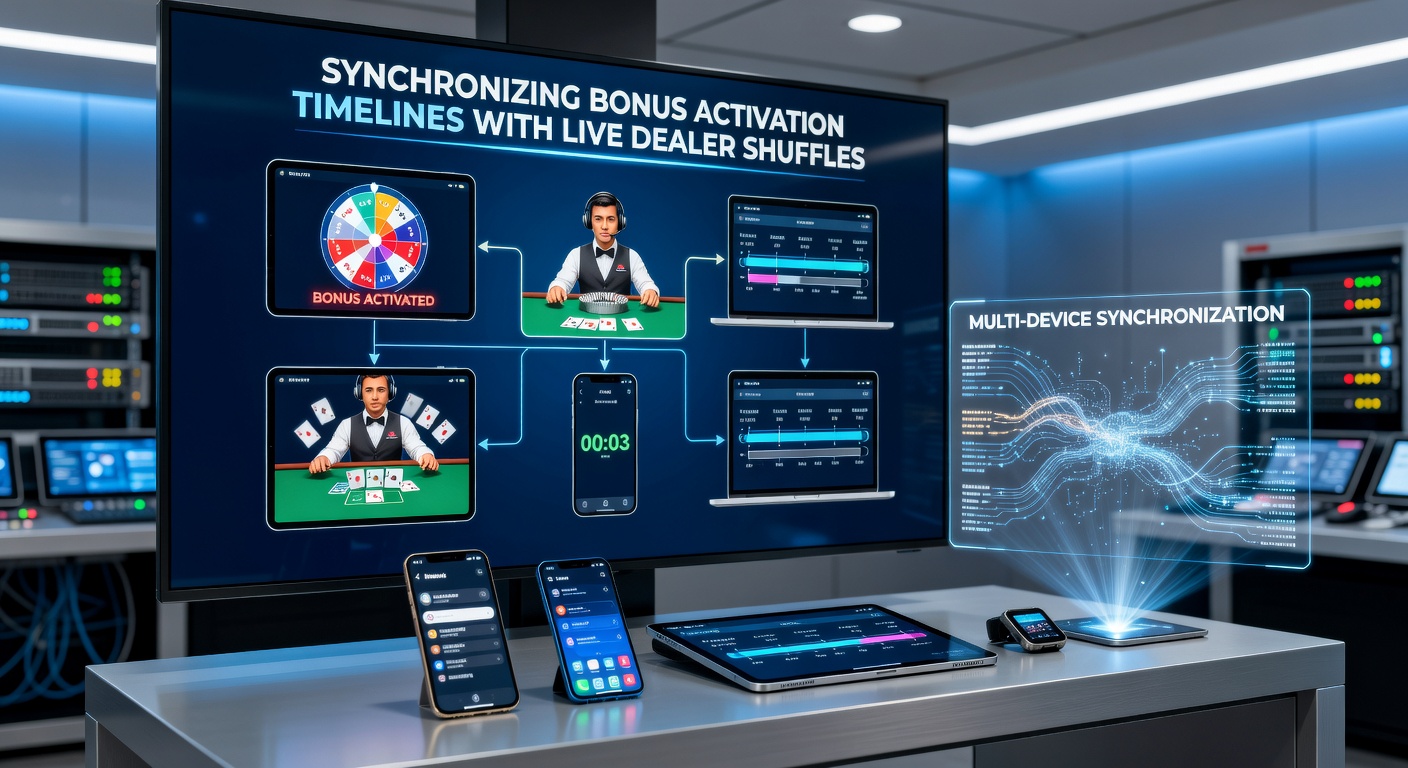
Multi-device casino applications require precise alignment between bonus activation sequences and live dealer shuffle intervals to maintain consistent gameplay across smartphones, tablets, and desktop platforms, and developers achieve this coordination through timestamped event logs that track both promotional triggers and card deck resets in real time.
Live dealer operations depend on automated shuffle cycles that occur at fixed intervals or after specific hand counts, whereas bonus systems activate based on player activity thresholds such as wager totals or session duration, so synchronization protocols use centralized servers to broadcast shuffle notifications to all connected devices simultaneously.
Mechanics of Timing Alignment
Systems integrate application programming interfaces from gaming platforms with live dealer feeds to match bonus windows directly to shuffle events, and this approach prevents discrepancies where one device registers a bonus while another delays due to network latency or local processing differences. Data from industry reports indicate that casinos operating across multiple jurisdictions employ GPS-based device verification alongside server-side timestamps to ensure all instances reflect identical shuffle states at the moment bonuses become available.
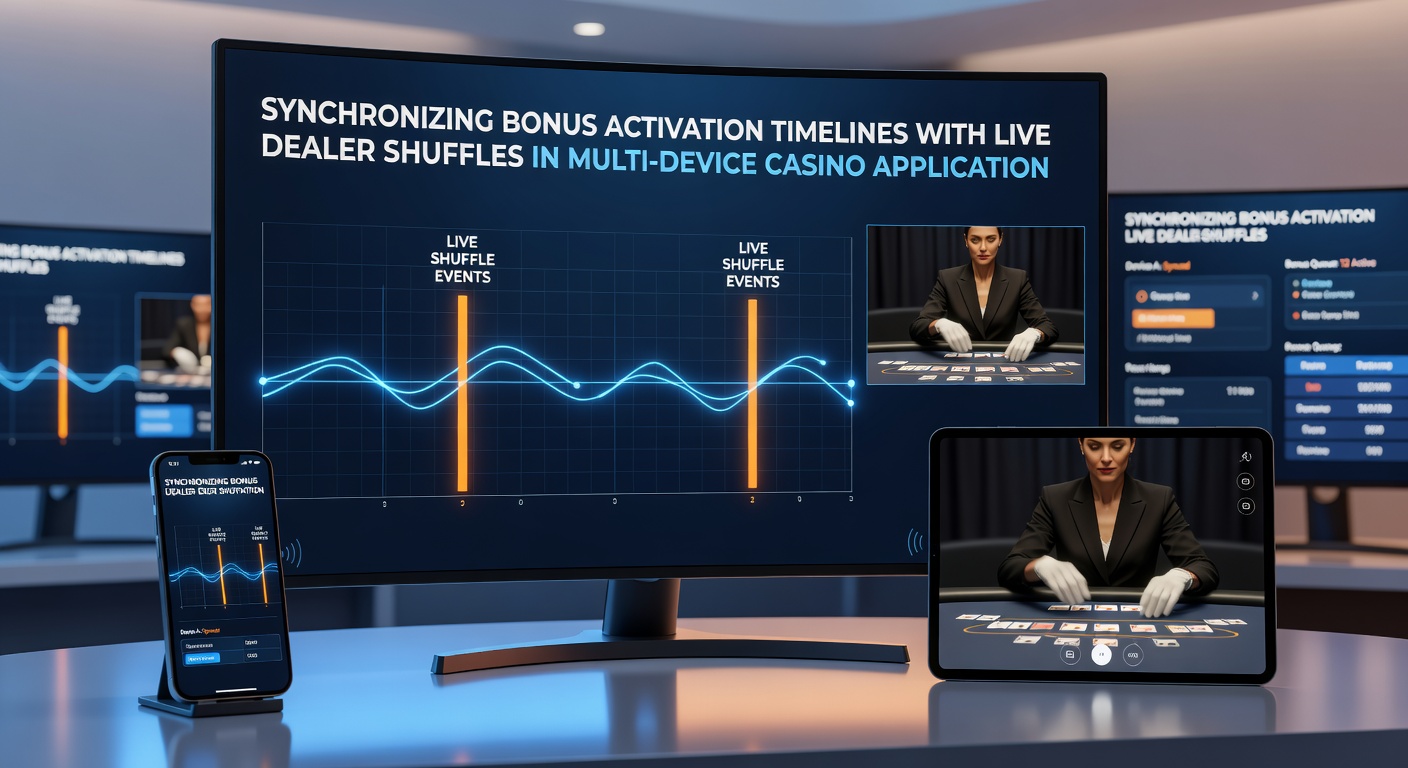
Researchers at academic institutions have examined latency patterns in distributed gaming networks, and their findings show that sub-second synchronization reduces player disputes by aligning visual cues such as card animations with reward notifications across platforms. Observers note that without these measures, mobile sessions often experience timing offsets of up to three seconds compared to desktop versions during peak traffic periods.
Technical Implementation Across Devices
Engineers design client-side listeners that subscribe to dealer shuffle events broadcast from central game servers, and these listeners then queue bonus activations to execute only after confirmation that the deck reset has completed on every linked device. Cloud-based orchestration tools handle the distribution of these events, while fallback mechanisms reroute traffic through regional nodes when primary connections experience interruptions.
One documented case involved a European operator that integrated shuffle timing data with bonus engines on both iOS and Android applications, resulting in uniform reward delivery regardless of whether users switched between tablet and phone mid-session. Figures from platform analytics reveal that such integrations cut synchronization errors by more than half compared to earlier independent device management approaches.
Regulatory Context and Upcoming Developments
Regulatory bodies in various regions require documented evidence of fair timing mechanisms, and the Nevada Gaming Control Board publishes guidelines that address real-time event synchronization in live dealer environments. Those guidelines emphasize audit trails for both bonus triggers and shuffle cycles, particularly as operators prepare for expanded live blackjack offerings at locations such as Primm Valley Resort scheduled to resume in May 2026.
Australian regulatory frameworks similarly mandate cross-platform consistency checks, and compliance teams conduct periodic tests to verify that bonus eligibility windows coincide exactly with dealer deck resets on all supported hardware. Industry associations in Canada have compiled reports showing that standardized synchronization protocols help operators meet these requirements while supporting multi-device user bases.
Operational Examples and Data Patterns
Take one platform that linked bonus activation directly to shuffle completion signals from its live dealer providers, and the result was a measurable drop in session interruptions reported across mobile users. Data shows that peak-hour synchronization improved when operators adopted redundant timestamp servers located in separate geographic zones.
What's interesting is how some applications now embed predictive algorithms that anticipate upcoming shuffles based on historical hand counts, allowing bonuses to preload without creating mismatches. This technique appears in several North American deployments where live tables operate continuous shifts, and it supports seamless transitions between devices during active play.
Conclusion
Effective coordination of bonus timelines with live dealer shuffles relies on integrated server architectures, regulatory compliance measures, and ongoing technical refinements that address multi-device variability. As new live gaming venues prepare to open in 2026, operators continue to refine these systems using data from current deployments and guidance from oversight agencies in multiple jurisdictions.