California Cardrooms Adjust Operations as DOJ Rules on Blackjack-Style Games Take Hold
Written by Klara Jung · May 18, 2026

California Cardrooms Adjust Operations as DOJ Rules on Blackjack-Style Games Take Hold
State-licensed cardrooms across California began implementing new Department of Justice regulations on April 1, 2026, and these rules target games that use mechanics such as a target total of 21 or bust features commonly associated with blackjack variants. The guidelines define blackjack-style games through specific play elements rather than game names alone, and operators received instructions to remove or modify such offerings or meet compliance deadlines set for early June of the same year.
Fresno cardroom owners have described immediate effects on daily revenue streams, and several facilities reported sharp drops in table game activity once the prohibited mechanics disappeared from the floor. Staff members noted reduced player turnout during peak evening hours, while managers tracked lower average bets per hand in remaining approved games. These shifts occurred even as cardrooms continued to offer core poker formats that fall outside the new restrictions.
Regulatory Details and Compliance Timeline
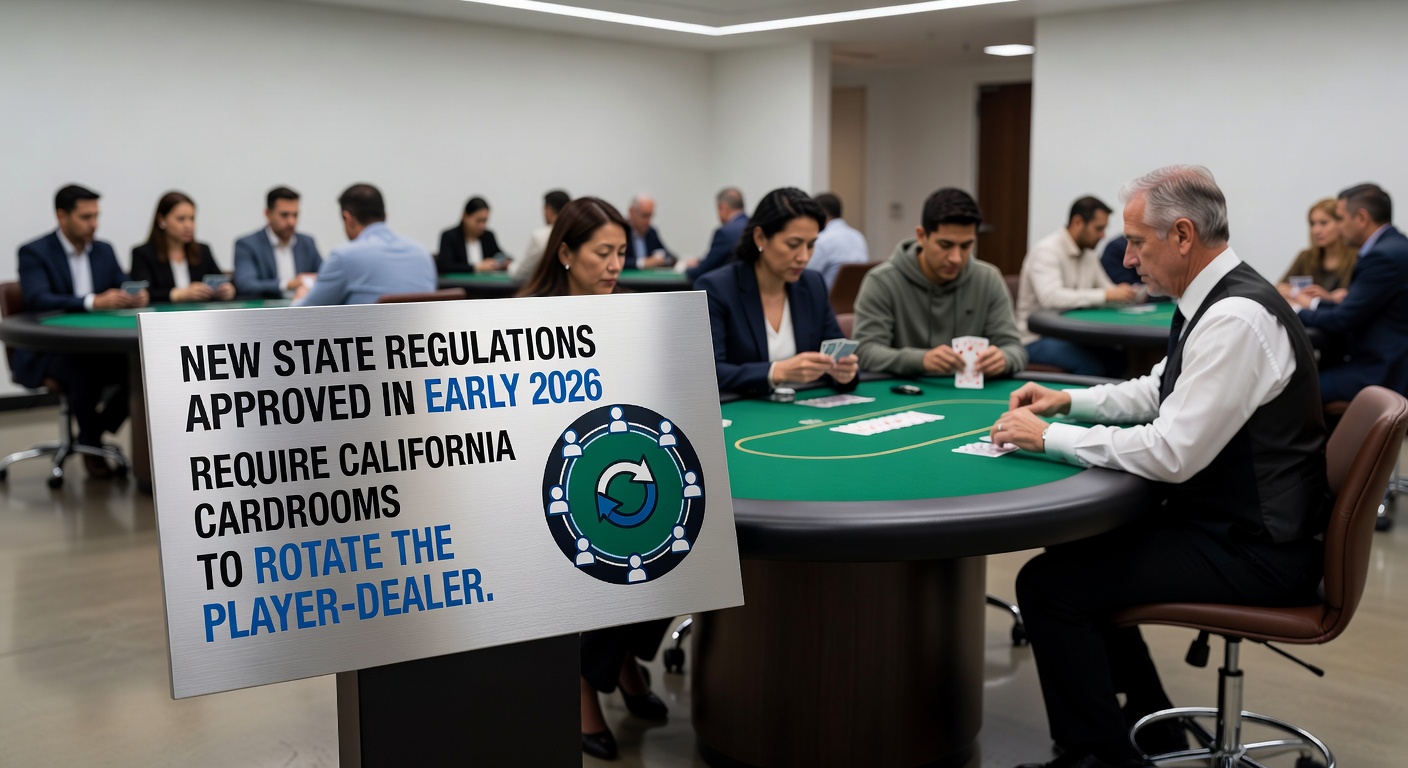
The regulations, titled "Rotation of the Player-Dealer Position and Blackjack-Style Games," specify that any table game incorporating a bust mechanic or a primary objective of reaching exactly 21 must be discontinued or restructured before the early June deadline. California Department of Justice guidelines outline player-dealer rotation requirements alongside the game-type limitations, and enforcement actions are scheduled to begin once the grace period expires.
Operators received written notices in March 2026 detailing the precise definitions adn examples of restricted mechanics. Facilities then conducted internal audits to identify which tables required removal or conversion, and many started testing alternative game layouts that rely solely on poker-based resolution systems. The timeline allows cardrooms a brief window to complete physical changes, update signage, and retrain dealers before full enforcement begins.
Effects Reported in Fresno
Local owners in Fresno stated that revenue from non-poker tables declined noticeably within the first weeks after the April 1 effective date. One facility recorded a 35 percent reduction in overall table drop during the initial reporting period, and managers attributed the change directly to the absence of previously popular variants. Employee schedules were adjusted accordingly, with some dealers reassigned to poker-only sections while others received temporary reductions in hours.
Additional alterations affected games that incorporate hybrid elements, such as certain pai gow variations or baccarat side bets that shared scoring similarities with restricted formats. Cardroom representatives confirmed these modifications occurred to avoid potential citations once the June compliance date arrives. Patrons who previously favored those options have shifted toward poker rooms or electronic gaming devices where available, and foot traffic patterns inside the venues have changed as a result.
Industry Response and Legal Actions
Cardroom associations filed lawsuits challenging portions of the regulations shortly after their announcement, and court proceedings remained active into the spring of 2026. Plaintiffs argue that the definitions used to classify blackjack-style games extend beyond the scope originally authorized by statute, and they seek clarification on how player-dealer rotation rules intersect with the new game restrictions. Hearings are expected to continue through the summer months, while operators maintain current compliance efforts to avoid penalties.
Trade groups representing multiple counties submitted data showing projected revenue shortfalls for smaller venues that lack extensive poker offerings. Figures collected from Fresno and neighboring areas indicate that facilities with fewer than 20 tables face proportionally larger adjustments than larger properties in urban centers. These reports were entered into court records as part of ongoing litigation.
Operational Adjustments Underway
Cardrooms have begun promoting poker tournaments and cash-game promotions to offset losses in other areas, and marketing materials now emphasize the continued availability of approved formats. Dealers completed refresher courses on rotation procedures to align with the updated player-dealer guidelines, and software systems were updated to track compliance metrics automatically. Some venues introduced new signage that clearly distinguishes permitted games from those removed under the April rules.
By May 2026, several Fresno locations had completed initial phases of table reconfiguration and were monitoring player response during weekend rushes. Management teams tracked hourly occupancy rates and compared them against figures from the same period in 2025 to quantify ongoing impacts. These internal reviews help inform decisions about future staffing and promotional calendars while legal challenges proceed.
Conclusion
California cardrooms continue to navigate the transition period created by the April 1, 2026 regulations, and Fresno operators have documented clear revenue effects alongside required operational changes. Compliance deadlines in early June remain the immediate focus, while lawsuits address longer-term questions about regulatory scope. The industry maintains standard poker services during this adjustment phase, and facilities track both financial data and court developments as the summer progresses.