Backend Integrations Linking Reel Features to Card Game Progressions in Digital Betting Ecosystems
Written by Gisela Günther · Aug 1, 2026
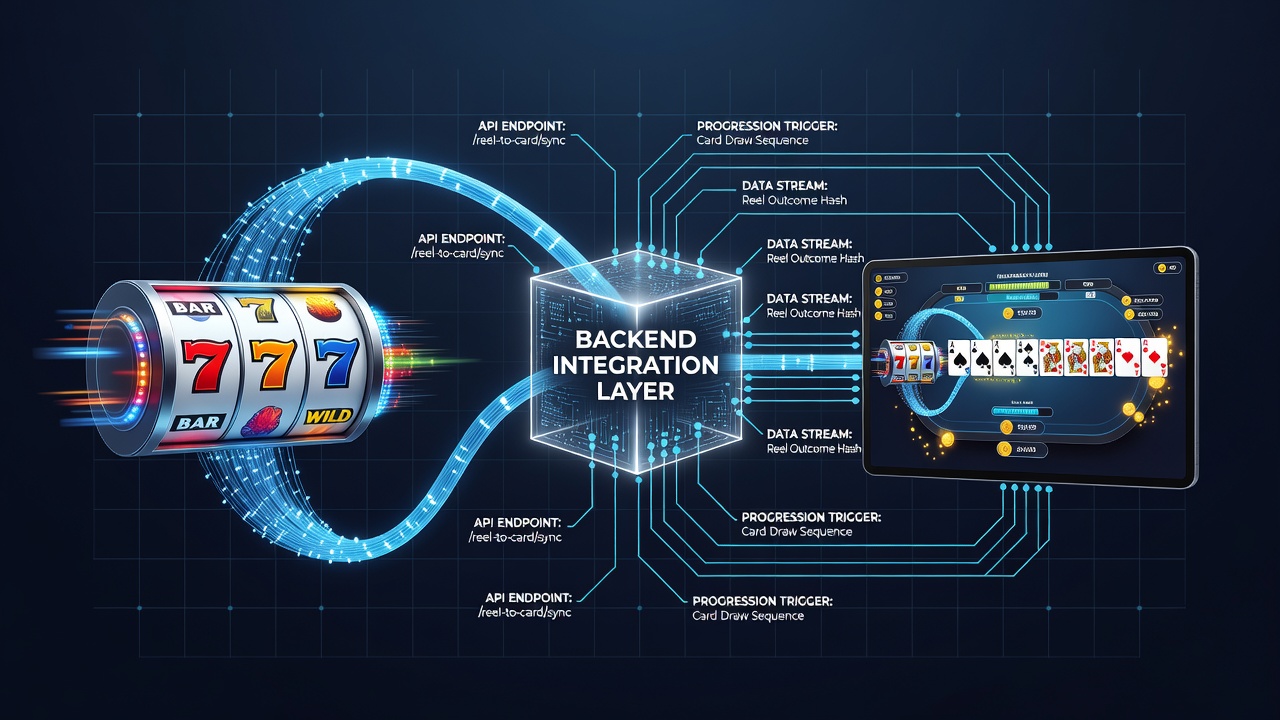
Backend systems in digital betting ecosystems handle the technical connections that allow reel features from slot machines to influence card game progressions such as hand rankings and bonus rounds in blackjack style titles. These integrations rely on application programming interfaces that transmit real time data between random number generators for reels and deck shuffling protocols for cards. Data packets carrying spin outcomes travel through centralized servers where algorithms map reel symbols to card multipliers or progression meters. Operators configure these links so that consecutive reel matches trigger incremental advancements in card sessions. For instance a sequence of matching icons on a mobile reel can increment a virtual chip stack that carries over to table play. Such mappings require synchronized databases that update player profiles across both game types within milliseconds of each action.Data Synchronization Mechanisms
Developers implement event driven architectures that listen for reel events and push corresponding updates to card game states. A reel feature like expanding wilds might feed directly into a card progression where the next dealer hand receives adjusted probability weights. Studies from research institutions indicate that these connections maintain consistency through timestamped logs that prevent desynchronization during high traffic periods.
Payment gateways integrate at this layer as well. Transaction records from deposits flow alongside game data so that funded amounts unlock specific reel to card pathways. Observers note that platforms using microservice designs separate reel engines from card simulators yet maintain shared ledgers for progression tracking.
Progression Mapping Examples
One common setup links five reel bonus rounds to card game level ups where collected tokens convert into strategic options like split decisions or insurance bets. Backend code executes conditional checks that verify reel completion before advancing the card meter. Researchers have documented cases where these mappings appear in multi platform environments that serve both desktop and mobile users simultaneously.
Security protocols wrap these integrations with encryption standards that protect data in transit between modules. Compliance requirements from bodies such as the Nevada Gaming Control Board mandate audit trails for every linkage point to ensure fair outcome distribution. Figures from industry reports show that platforms with robust backend ties report lower error rates in cross game rewards.

Implementation in August 2026 Updates
Scheduled platform enhancements set for August 2026 introduce refined API versions that accelerate data handoffs between reel features and card sequences. These updates focus on reducing latency in progression transfers so that a completed reel cycle immediately reflects in an active card session. Technical teams at several operators have tested these revisions against existing compliance frameworks to verify seamless operation across jurisdictions.
Additional modules handle edge cases where network interruptions occur mid transfer. Automated reconciliation scripts restore any interrupted mappings once connectivity resumes. Data from pilot programs reveal that such recovery mechanisms preserve player progress without manual intervention.
Regulatory and Technical Considerations
Authorities in various regions require documentation of how reel data influences card outcomes to maintain transparency. The South Australian Independent Gambling Authority has published guidelines on data integrity that apply to these hybrid systems. Backend developers respond by embedding verification checkpoints that log every influence event.
Academic papers from gaming technology conferences describe scalable database schemas that support thousands of concurrent reel to card mappings. These schemas use relational tables to track feature activations and their downstream effects on card progressions. Observers note that efficient indexing allows queries to retrieve linked histories in under a second during live play.
Conclusion
Backend integrations form the operational backbone that ties reel mechanics to card game advancements in digital betting settings. Through coordinated APIs, synchronized databases and compliance aligned logging these systems deliver connected experiences across game categories. Continued refinements scheduled through 2026 and beyond will likely expand the precision of these linkages while adhering to established technical and regulatory standards.